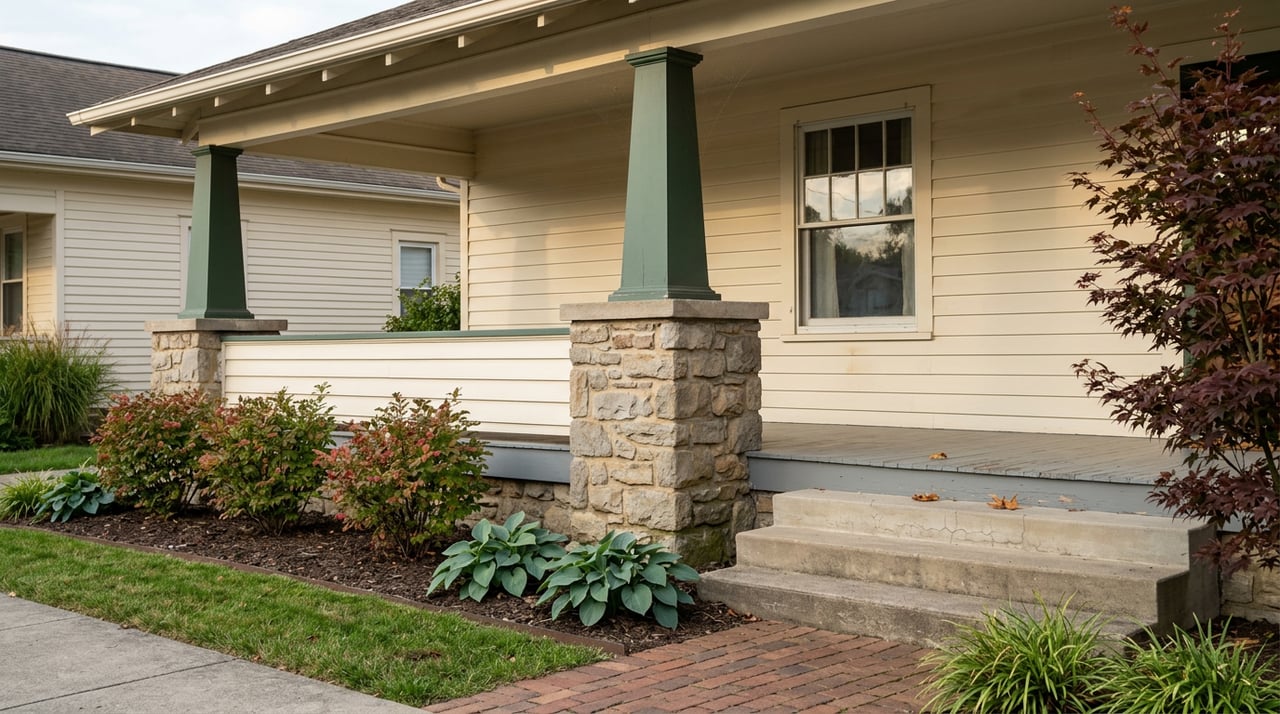
Why Tree Streets Johnson City Home Prices Can Vary
Pull up two different real estate sites and search the same ten blocks of Johnson City's South Side neighborhood, known locally as the Tree Streets, and you will find two different markets. One shows prices up nearly 48 percent in a year. The other shows prices down 14 percent over roughly the same stretch. Both are pulling from the same underlying MLS data. Neither is wrong. That contradiction is the story, and once you understand why it happens here, you will know what to ask about any small neighborhood you are comparing in the Tri-Cities.
Over the three months ending May 2026, one major portal put the median sale price in South Side Johnson City at $253,000, up 47.9 percent from the same window a year earlier, with homes selling in an average of 26 days compared to 69 days the year before. A second portal, tracking a trailing 12-month window, showed the median sale price at $242,000, down 14 percent from the prior 12 months, with homes taking an average of 34 days to sell. A third cut of the same neighborhood, filtered to include multi-family properties, put the median at $497,140, up 31 percent.
Three numbers. Two directions. Same streets.
For comparison, Johnson City as a whole was posting a median sale price around $350,000 over that same three-month window ending May 2026, up 11.2 percent year over year, with homes taking 53 days to sell on average, up from 41 days the year before. As of July 2026, a separate market tracker put the citywide median sold price at $344,900 across 539 closings over the trailing six months, against a median asking price of $430,000 on active listings. So even the city-level number is a little different depending on who is counting and when. But the spread inside South Side is far wider than the spread citywide, and that gap is the actual signal worth paying attention to.
A median is a fine tool when you have hundreds of sales to average across. It becomes a much blunter instrument when you are working with a handful of closings in a given window, and that is exactly the situation in the Tree Streets. This is a compact, walkable pocket of Johnson City, not a subdivision with a thousand comparable homes. When only a dozen or so properties close in a three-month stretch, one renovated bungalow selling for top dollar, or one multi-family conversion closing at a premium, can swing the median by tens of thousands of dollars in either direction. That is not a data error. It is what happens when you calculate a median off a small, uneven sample and then compare it to an equally small, uneven sample from a year earlier.
The practical lesson for anyone comparing neighborhoods is this: the smaller the area, the less the headline percentage tells you, and the more the actual list of comparable closings matters.
There is a second force at work, and it is not statistical noise. It is supply.
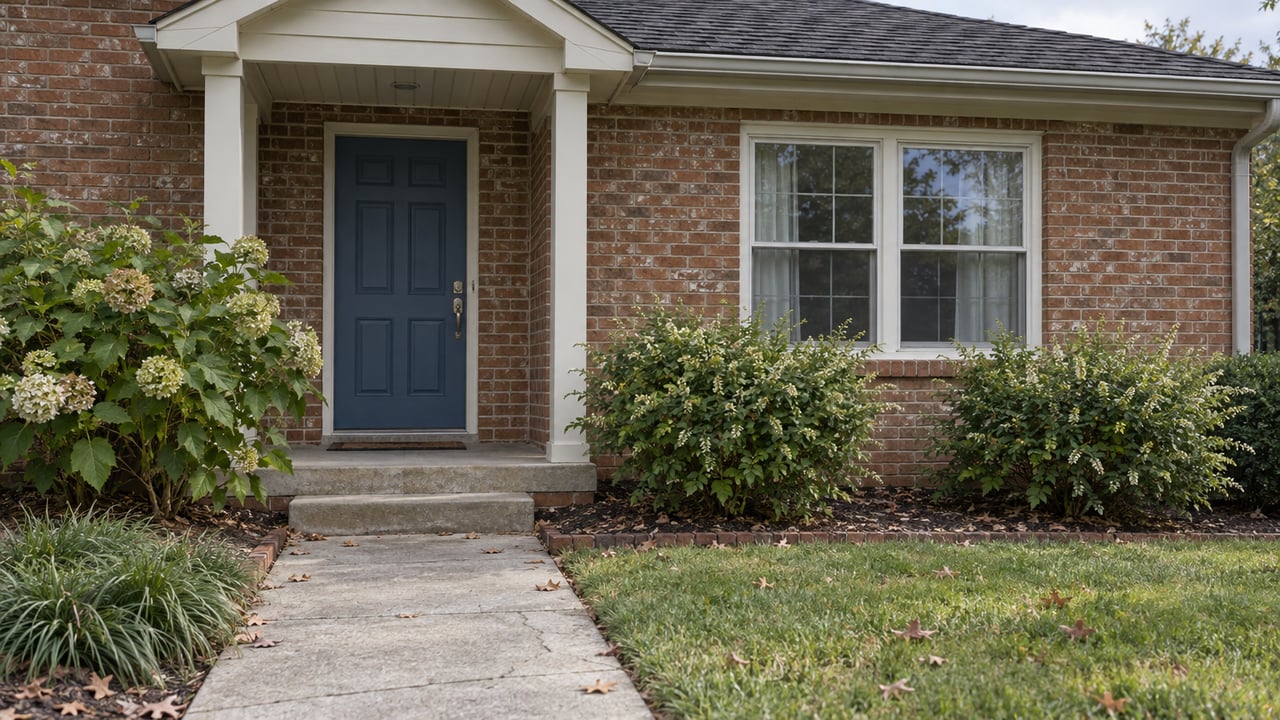
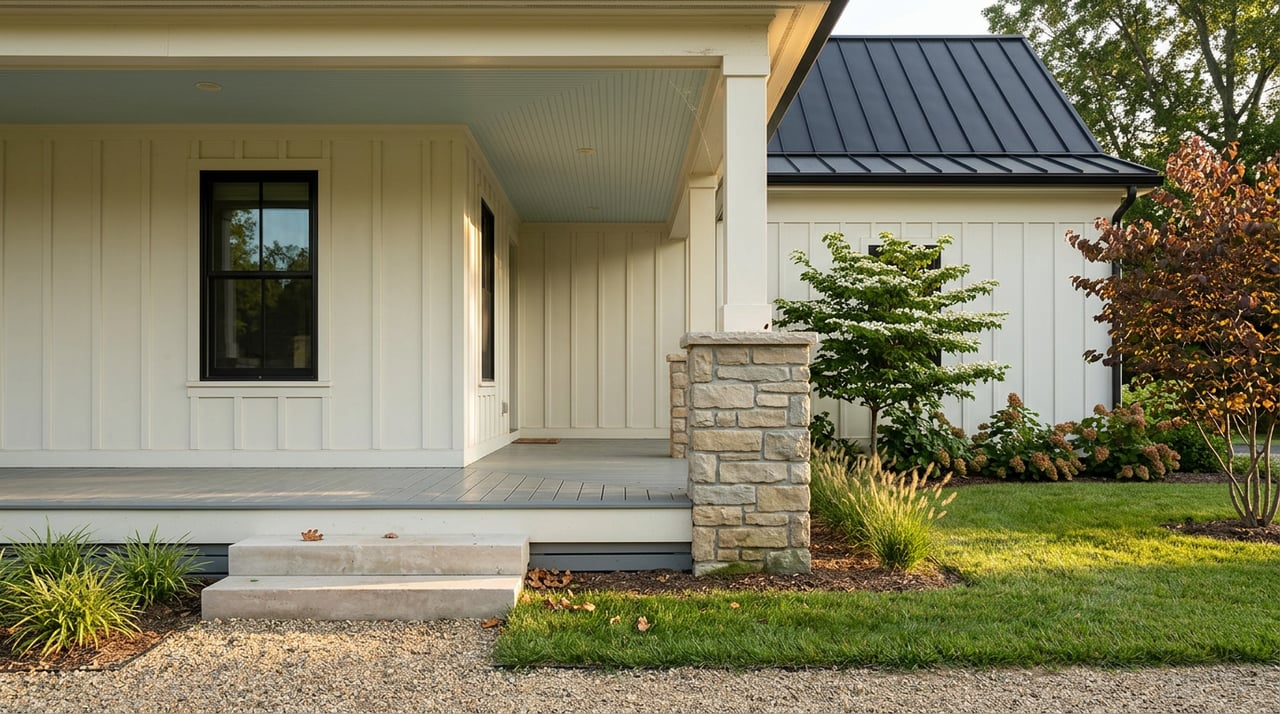
South Side Johnson City carries a recognized historic district designation, and the housing stock reflects it: bungalows, Colonial Revivals, American Foursquare homes, Queen Anne and Tudor Revival styles, most built in the early to mid-1900s, many with wide front porches, old-growth street trees, and low stacked-stone retaining walls that give the blocks their character. According to Homes.com, new construction inside the district has to work within guidelines covering materials, setbacks, and other qualifications meant to preserve that look. Homes already on the historic register carry small plaques by their front doors.
That means the number of homes that can trade in the Tree Streets in any given year is close to fixed. Nobody is building a new phase of houses to expand the pool. So when demand shifts even a little, whether from a wave of renovation buyers or a handful of investors picking up multi-family conversions, the effect on price shows up faster and more visibly than it would in a neighborhood where builders can simply add inventory.
The Tree Streets sit directly adjacent to downtown Johnson City, and downtown has real money moving through it right now. The $33 million redevelopment of the West Walnut Street District is converting a former industrial corridor into a mixed-use area, and a separate $66 million renovation of the Downtown Centre and the John Sevier Building is underway as well. The Johnson City Development Authority has also put facade-improvement grants and tax-increment financing behind smaller storefront projects along the same stretch. In 2025 alone, the downtown business alliance counted 20 new businesses opening and 5 more expanding, with over 70,000 visitors passing through its hosted events.
That kind of investment does not stay contained to the storefronts it touches. It changes what people are willing to pay to live within walking distance of it, and South Side is the closest residential neighborhood to all of it. Add in that the Tree Streets sit within walking distance of East Tennessee State University, Mountain Home VA, Johnson City Medical Center, the Quillen College of Medicine, and the Bill Gatton College of Pharmacy, and you have a neighborhood pulling interest from two directions at once: owner-occupants drawn to the walkability and the character homes, and investors drawn to steady rental demand from students, medical residents, and hospital staff. Both groups are competing for the same fixed stock of historic houses.
Local life in the Tree Streets reflects that mixed pull too. Back Door Records and Mojo Skateboard Shop anchor West Walnut Street, Italian Pizza Pub and Southern Craft on Spring Street draw regulars from across town, and Shamrock Beverage & Tobacco has been a fixture long enough to be considered an institution. The neighborhood still holds its Annual Tree Streets Yard Sale and a holiday potluck each year, the kind of standing community events that tend to survive exactly because a neighborhood's housing stock does not turn over quickly.
If you are weighing South Side against another Tri-Cities pocket, the year-over-year percentage on any single site is the least useful number available to you. What actually matters is the comp set behind it. Before you let a headline stat shape your offer strategy, it is worth asking your agent for a few specific things:
A neighborhood this small rewards close reading over headline trust. The Tree Streets are not confusing because something is wrong with the data. They are confusing because a fixed, historic housing stock next to a fast-changing downtown will always produce noisier numbers than a subdivision that can simply build more.
Why do two portals disagree if they're using the same MLS data? They are usually looking at different windows (three months versus a trailing 12 months) and sometimes different property filters, such as whether multi-family sales are included. In a large market those differences wash out. In a dozen-sale neighborhood, they do not.
Does this pattern show up in other small Tri-Cities neighborhoods? It can, anywhere a small number of annual sales meets a real shift in buyer demand. It is most pronounced in places like the Tree Streets.
Should I avoid a neighborhood because its numbers look inconsistent? Not necessarily. Inconsistent headline numbers are often a sign of a healthy, small market working exactly as expected, not a warning sign. The fix is asking for the real comp set rather than reading the top-line percentage.
If you are weighing South Side Johnson City against another neighborhood in the Tri-Cities, or you just want the real comp set behind a number you saw online, Alexis P Greene can walk you through what actually closed and why. Get a Free Home Valuation to start the conversation with real numbers instead of a headline.
This article is general information, not legal, tax or financial advice. Consult a qualified professional about your situation.
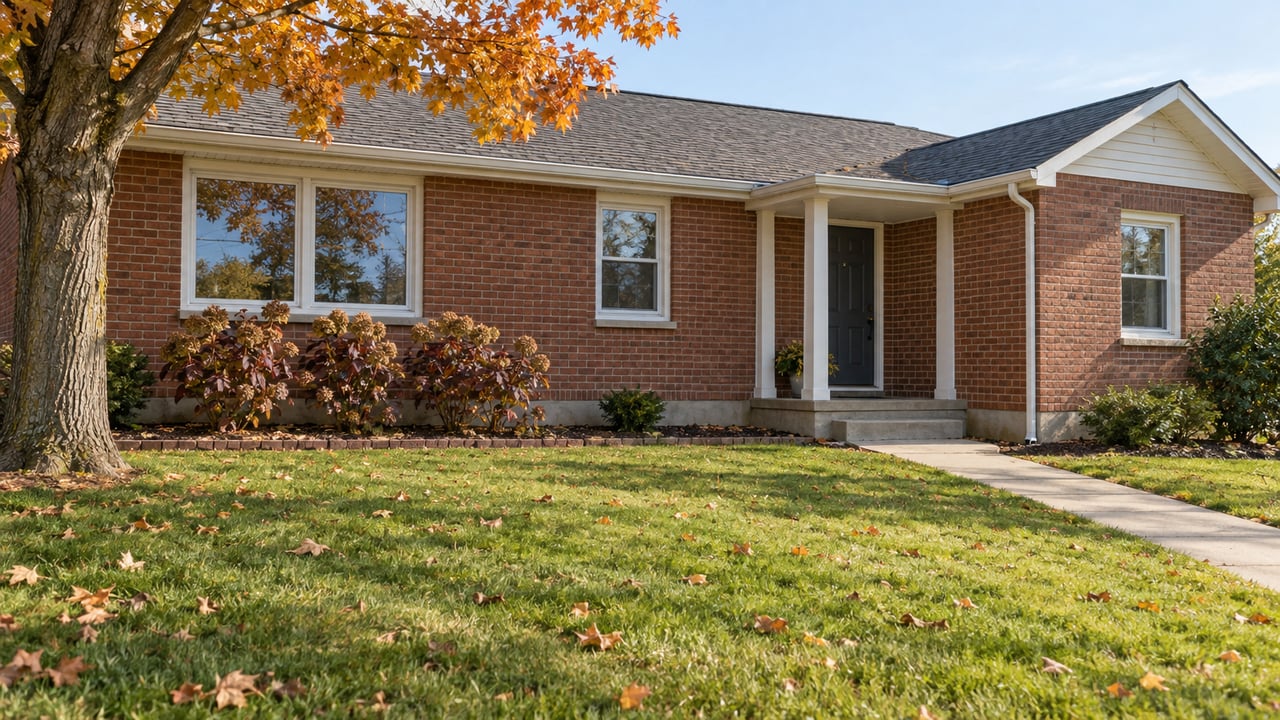
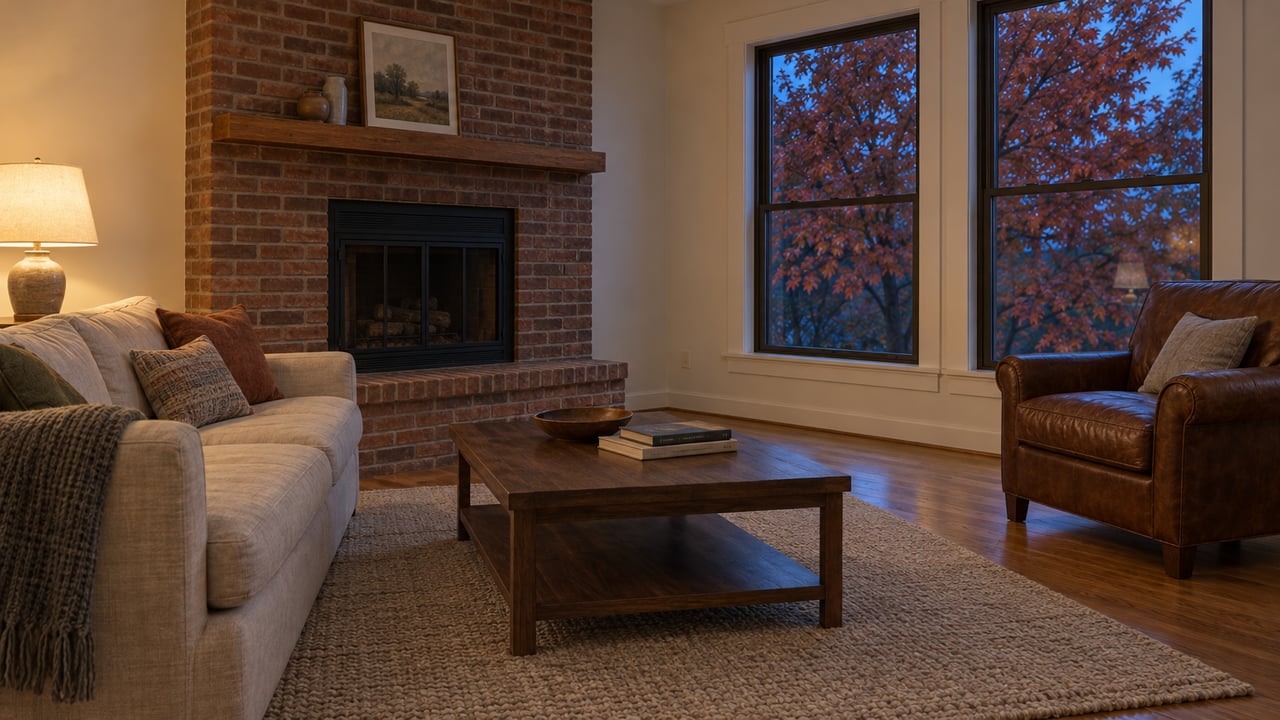
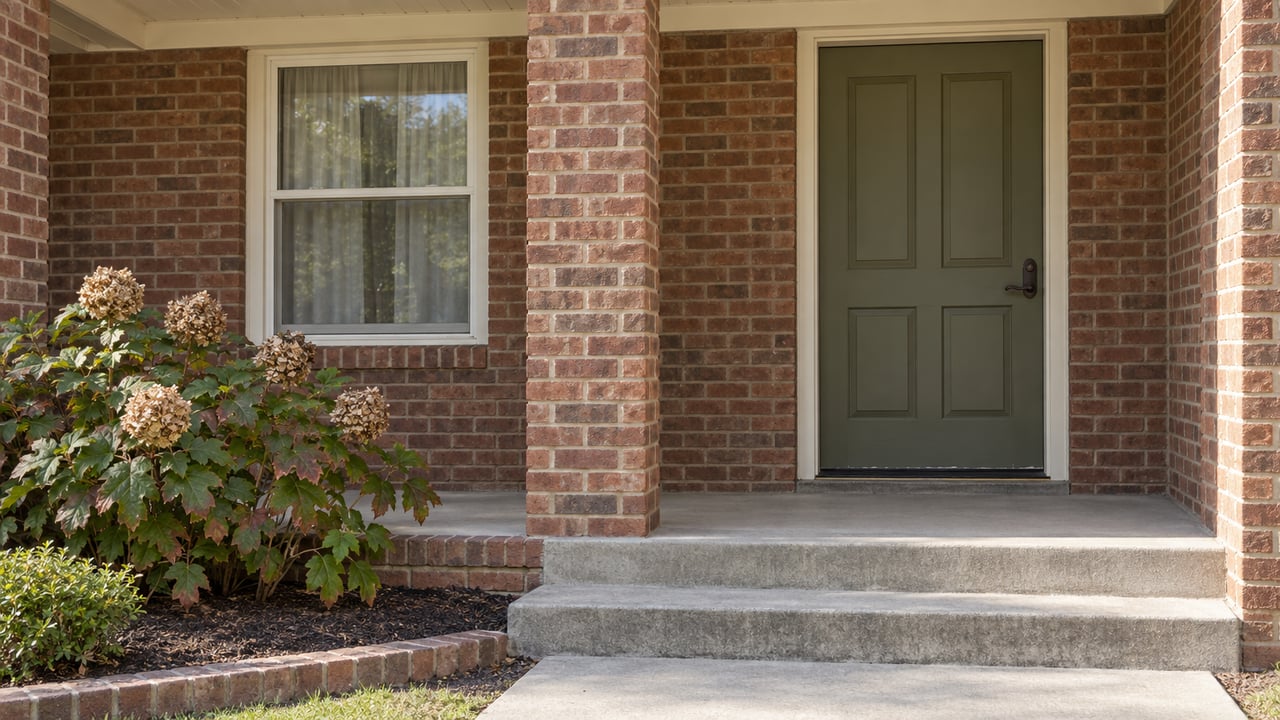
Whether you’re buying your first home, selling a lakefront property, or planning your next investment, Alexis is committed to helping you move forward with confidence. She listens first, advises honestly, and advocates fiercely for your best interests.
5205 Bobby Hicks Hwy Ste 10 Johnson City, TN 37615