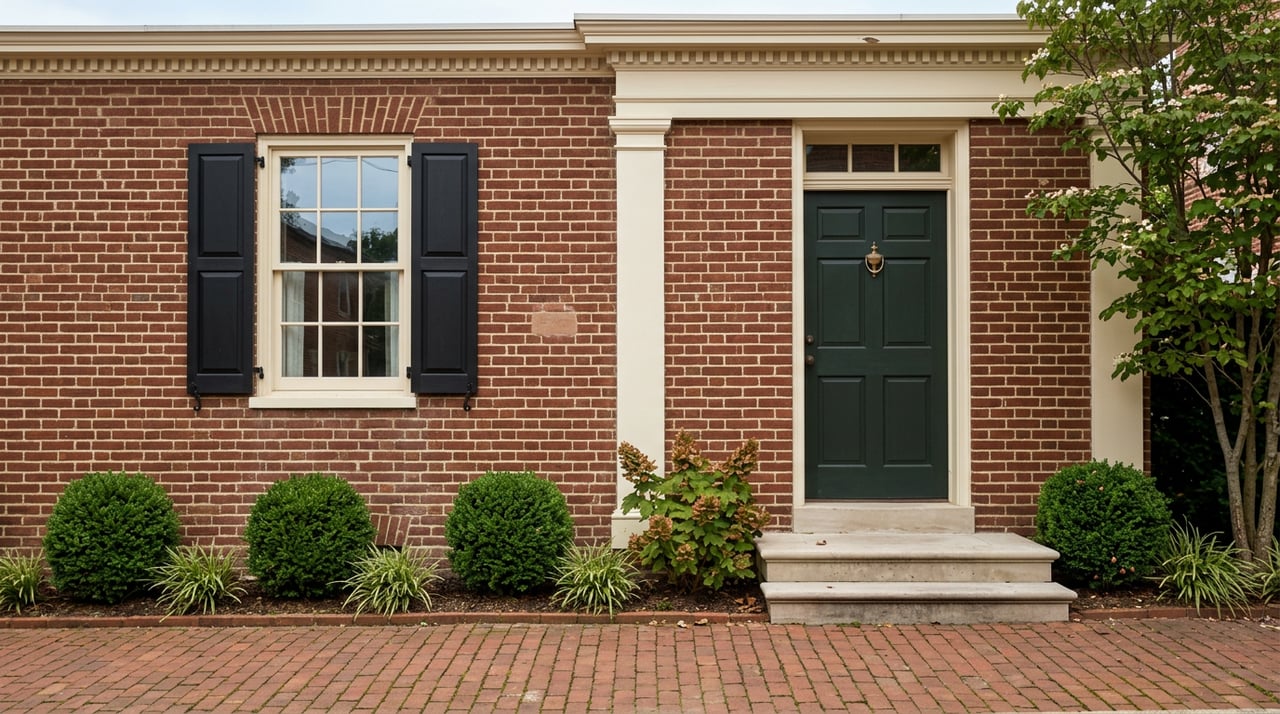
Selling a Historic Jonesborough Home: What Slows Down, and What Sells, on Main Street
Most sellers in Jonesborough price off the wrong line. They look at the ZIP median, or the block, or the year the house was built. The line that actually sets your listing strategy is the boundary of the H-1 Historic Overlay Zone, and it runs closer to your front door than the tax records suggest.
Cross that line and two things change at once. The buyer pool narrows to people who accept preservation rules, and the prep work you can do before listing gets governed by a commission that meets once a month. Sellers who plan around that boundary hold their price. Sellers who don't spend weeks in queue, then reprice.
As of July 2026, the median list price in Jonesborough was $429,000 at roughly $204 per square foot, with a median 66 days on market. Redfin's February 2026 read on closed sales came in at $400,000 with 34 days on market. Both numbers are fine to quote at a dinner party. Neither tells you what your specific home will do.
What matters is which side of the H-1 line the house sits on. Inside the overlay, you are selling a preserved character home to a buyer who has already accepted the rules. Outside it, you are competing with newer construction along the Boones Creek and Gray growth corridor, where a buyer can get a 2020s build with none of the review process.
The overlay was established in 1992 and amended through 2018. The Jonesborough Historic Zoning Commission is the oldest in Tennessee and has authority over all exterior changes, including paint color, re-roofing, storm windows, storm doors, exterior lighting, and additions.
That authority follows the deed. It also follows your listing.
If your pre-listing plan includes any exterior work in the H-1 or H-2 zone, you need a Certificate of Appropriateness from the HZC before the Building Inspector will issue a permit. Failure to obtain the required permits can result in fines being issued for each day of violation.
Here is what that means for a normal listing timeline.
There is one shortcut. The commission's Expediting Committee can approve certain low-impact actions, like repainting in the same color, without a formal meeting. Everything else waits its turn.
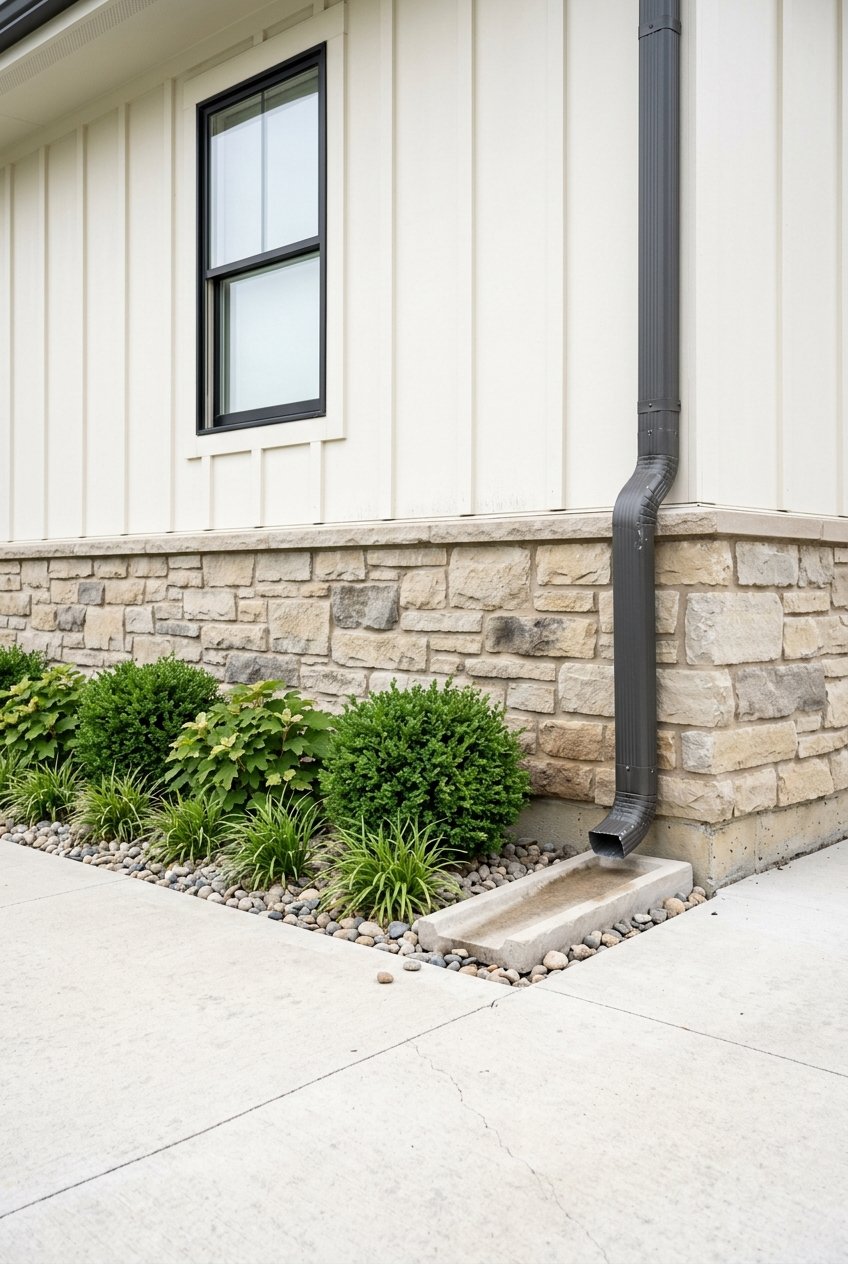
Practical implication for sellers: if you want to replace a rotten porch board, correct peeling paint, or swap a failing gutter before photos, you are looking at a four to six week head start on top of a normal prep schedule. Recent HZC agendas make that pattern visible. The April 2026 packet showed owners at 128 Boone Street working through roof, chimney, and paint approvals; 239 East Main addressing foundation repair; 204 West Main resolving peeling paint and a failing gutter; and 505 West Main scheduling porch repairs. These are the kinds of items sellers usually try to close out in a week.
Most contributing structures in the historic district predate 1978 by a century or more. That triggers federal lead-based paint rules on top of Tennessee's standard disclosure.
For any pre-1978 home, a seller must:
Civil penalties for non-compliance can exceed $16,000 per violation, and painting over old layers or encapsulating them does not remove the disclosure duty. The H-2 guidelines go further and instruct that all pre-1970 buildings in Jonesborough must be assumed to have been painted with lead paint, with debris containment required during any preparation.
The strategic reading: that 10-day inspection window sits inside your contract period. A buyer who orders a lead risk assessment can come back with a repair request, a price reduction, or a walk. The cleanest sellers get ahead of it. They order the assessment before listing, price the disclosure into the marketing, and remove the surprise from the negotiation.
Tennessee's Residential Property Condition Disclosure under TCA 66-5-201 to 210 sits on top of the federal rule. It has to be delivered before the purchase contract is accepted, and the East Tennessee Realtors MLS asks for it at or before listing. It is a living document. If a storm damages shingles while the home is under contract, you amend it.
A few things sellers routinely do to freshen an older home are not options inside the overlay.
A seller who lines up a general contractor for a fast cosmetic refresh can find the scope cut in half at the first walk-through. The workaround already exists in town. The Heritage Alliance of Northeast Tennessee and Southwest Virginia, based at the Historic Duncan House at 212 East Sabine Drive, operates a salvaged materials warehouse on Depot Street that stocks old doors, windows, brick, and mantles pulled from demolished structures in the region. For a period-appropriate replacement, that is often the fastest and cheapest source.
Once you know which side of the line the house sits on, the tiers get simpler. The pattern I have watched hold through mid-2026 looks like this.
| Segment | Where it sits | Typical range |
|---|---|---|
| Just outside the historic core, newer subdivisions | Toward Boones Creek and Gray | $350K to $450K |
| Historic district, updated character homes | Inside H-1 or immediately adjacent | $450K to $700K |
| Premier historic homes and properties with acreage | Inside H-1, larger parcels | $700K and up |
Two things to notice. First, the overlap between "just outside" and "inside, updated" starts around $450K. That is the price band where a buyer is actively choosing preservation rules over a newer floor plan, and the story you tell in the listing has to be built for that choice. Second, the top tier reflects character and land, not square footage. Comparable price-per-foot analysis breaks down above $700K, which is where a thoughtful pricing conversation replaces a spreadsheet.
For context on absorption, one Tri-Cities MLS snapshot from July 9, 2026 counted 163 active Jonesborough listings with an 80-day average on market. That is a market that rewards clean disclosures and accurate condition reporting, not one that forgives a surprise mid-contract.
Every agenda packet is public. If you are preparing to list, read the last three. You will see which streets have active repair conversations, which owners are working through demolition-by-neglect obligations, and which changes the commission is currently comfortable approving. The April 2026 packet, for example, discussed a request at 122 East Main to convert an existing window into a doorway and add a black metal staircase with composite treads. That kind of detail tells you what a buyer's future renovation plan will actually run into.
The commission has an anti-demolition-by-neglect ordinance, and every property in the National Register district gets reevaluated every five years. If your home is on a watch list for deferred exterior maintenance, that shows up on the agenda before it shows up in your inspection report. Better to know before the listing photos.
Do I need HZC approval to sell? No. The commission regulates exterior work, not the transaction itself. But any exterior repairs you make before listing, and any repairs a buyer requests before closing, fall under its review if they touch the exterior of a home in the H-1 or H-2 zone.
What if a buyer wants a repair the HZC will not approve? This is where a local listing agent earns the fee. The repair request gets renegotiated as a credit, a price adjustment, or a workaround that satisfies the commission's Standards and Guidelines. The specifics depend on the item.
Is the historic overlay a reason to sell "as is"? Not usually. Tennessee's disclaimer statement still does not permit concealment of known defects, and a well-prepared preservation-tolerant buyer will pay for a clean, documented home. As-is tends to shift the transaction to a smaller pool of investor buyers who reprice the uncertainty.
How long am I on the hook after closing? Buyers in Tennessee generally have one year from disclosure or closing to file a claim over undisclosed material defects. Keep every dated document, including the completed disclosure and any supporting invoices.
Selling a historic Jonesborough home is a planning problem more than a marketing problem. Get the calendar and the disclosures right, and the character sells itself. If you are within a few months of listing, this is the right time to have the boundary conversation and to price the review process into your timeline. Reach out to Alexis P Greene for a walk-through of your home against current H-1 guidelines and a Free Home Valuation grounded in what buyers on Main Street are actually paying this quarter.
Whether you’re buying your first home, selling a lakefront property, or planning your next investment, Alexis is committed to helping you move forward with confidence. She listens first, advises honestly, and advocates fiercely for your best interests.
5205 Bobby Hicks Hwy Ste 10 Johnson City, TN 37615