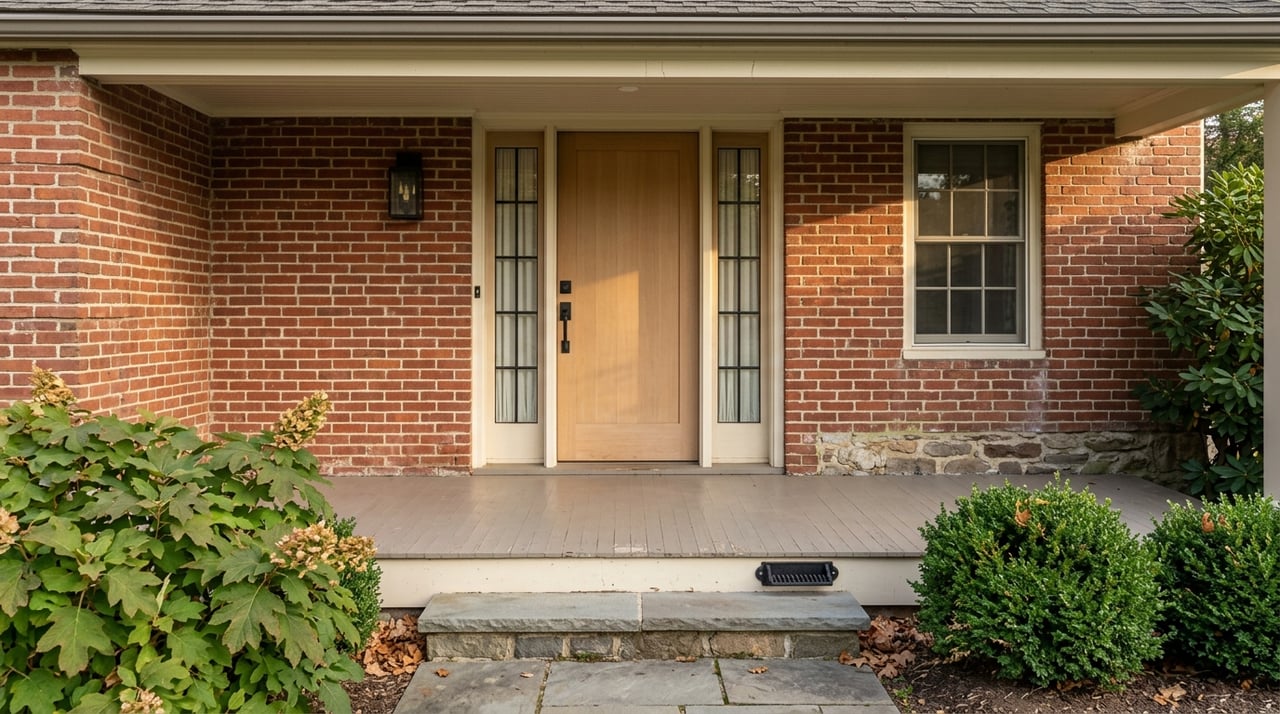
Jonesborough TN Historic Homes or Newer Homes?
If you are deciding between a historic home and a newer build in Jonesborough, you are not just comparing square footage or finishes. You are also choosing between two very different ownership experiences. In Tennessee’s oldest town, that choice can affect everything from layout and maintenance to renovation plans and long-term lifestyle. Let’s dive in.
Jonesborough has one of the most distinctive housing stories in East Tennessee. The town was chartered in 1779, and much of historic Jonesborough sits within a National Register district that includes many parts of downtown and buildings from several eras, from late-1700s log structures to Colonial Revival architecture from the 1930s, according to the Tennessee Encyclopedia’s Jonesborough entry.
That deep history does not mean every home in the area is old. Washington County has a broad mix of housing ages, with THDA housing data showing 4,694 housing units built in 1939 or earlier and 2,251 built in 2014 or later. The same report notes a 2020-2024 median value of $249,000 for owner-occupied housing units, along with 1,155 building permits in 2024.
For you as a buyer, that means Jonesborough can offer both historic character and newer construction choices. The better fit usually depends on how you want to live, what kind of upkeep you want to manage, and how much flexibility you need for future changes.
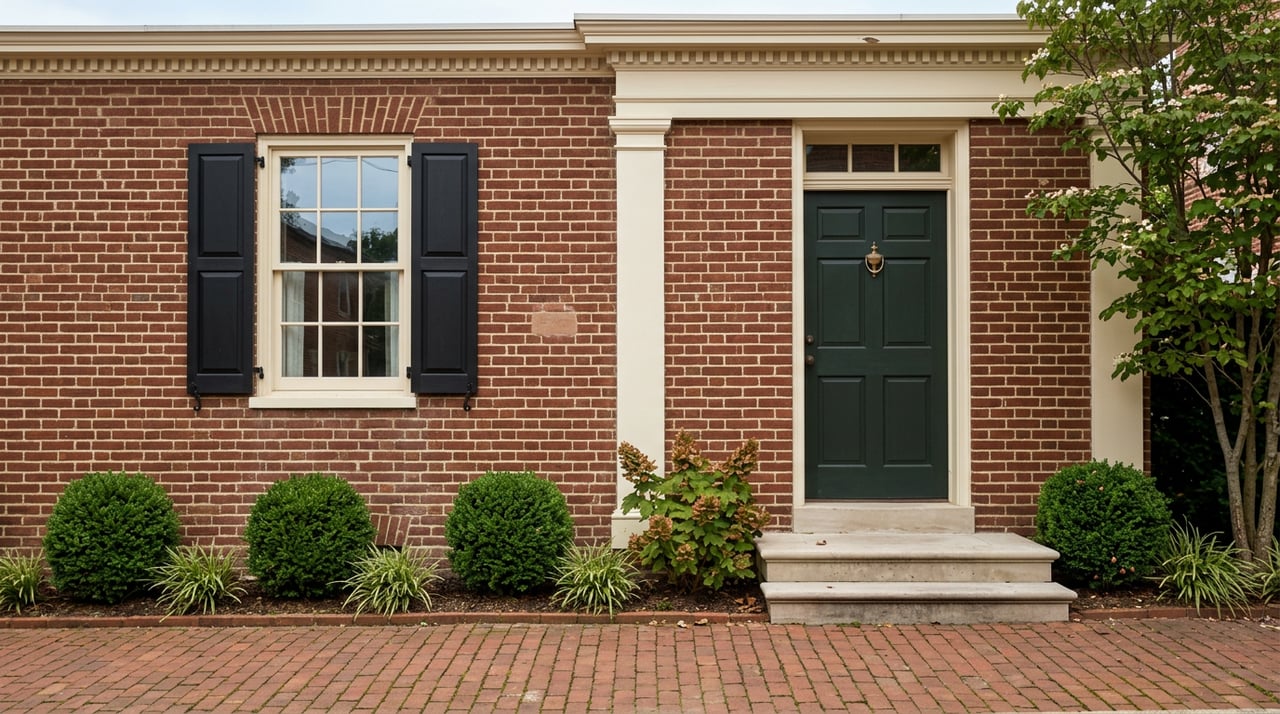
Historic homes in Jonesborough often stand out because of their architecture, materials, and room layout. The local historic building mix includes vernacular log structures, Federal brick homes, Greek Revival buildings, and later Colonial Revival designs, as noted by the Tennessee Encyclopedia.
Many older Tennessee homes were built around floor plans that feel different from what buyers often expect today. The Tennessee Encyclopedia’s guide to early vernacular plan houses describes patterns such as the hall-parlor plan, central passage plan, and Penn-plan. In simple terms, those layouts often create more separate rooms, more defined circulation, and a more formal feel than a modern open-concept design.
Another regional pattern appears in East Tennessee vernacular houses. According to Knoxville-Knox County Planning’s architectural style reference, these homes commonly feature two stories, a central hall, end chimneys, a front porch, and a rear ell. For many buyers, that translates into charm, symmetry, and architectural detail that can be hard to replicate in newer homes.
Newer homes in and around Jonesborough tend to reflect current buyer preferences and modern planning standards more than a single historic style. In new developments, the Regional Planning Commission reviews site plans, subdivisions, lot layout, streets, sidewalks, and utilities.
If new construction is proposed inside Jonesborough’s historic zones, design review can still apply. The town’s H-1 historic overlay standards state that new construction should not imitate unrelated architectural styles in a way that creates a false sense of history. In H-2 areas, contemporary interpretations may be allowed when they stay visually compatible with the surrounding neighborhood and use compatible visible materials and textures.
From a day-to-day living standpoint, newer homes often match what many buyers want right now. In the NAHB’s 2024 homebuyer preferences survey, 60% of buyers said they preferred a newly built home over an existing one, 85% wanted the kitchen and dining area to feel open, 79% wanted the kitchen and family room open, and 42% preferred a two-car garage. That is national data, not Jonesborough-specific, but it helps explain why many newer homes emphasize open layouts, easier flow, and practical storage.
If you are narrowing your search, this side-by-side view can help you quickly compare the tradeoffs.
| Feature | Historic Homes in Jonesborough | Newer Homes in Jonesborough |
|---|---|---|
| Overall feel | Architectural character and period detail | Contemporary layout and function |
| Floor plan | More segmented, formal rooms | More open living spaces |
| Exterior changes | Often subject to historic review in H-1/H-2 zones | Usually fewer constraints unless inside historic zones |
| Maintenance approach | May require preservation-minded repairs | More focused on routine upkeep and updates |
| Design standards | Guided by historic compatibility rules | Guided by planning review and, where applicable, compatibility standards |
| Buyer appeal | Character, history, and uniqueness | Convenience, layout, and modern features |
Layout is one of the biggest practical differences between an older home and a newer one. Historic homes often have rooms with more specific purposes, narrower transitions between spaces, and a less open kitchen-centered design. If you like separation between living spaces, a historic home may feel comfortable and intentional.
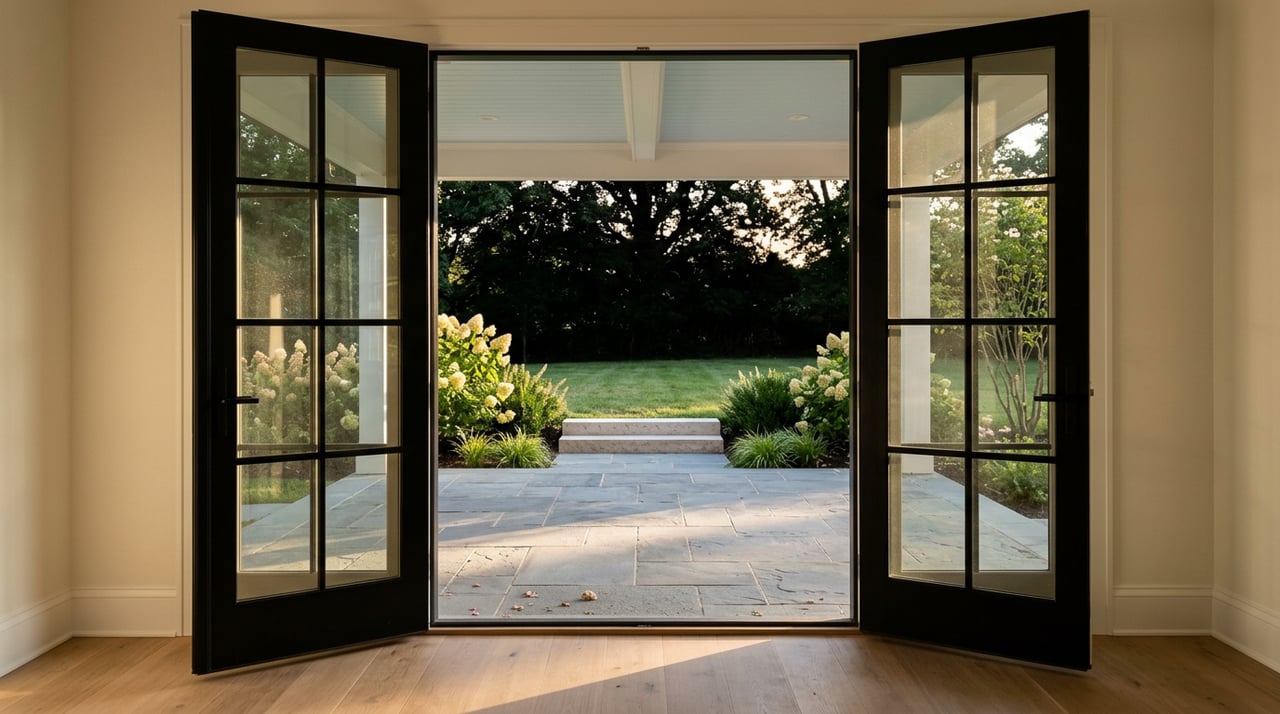
A newer home may work better if you want sightlines across the main living area, easier entertaining, or more flexible space for work and family life. Open-concept plans are common because many buyers prefer them, and the national preference data backs that up. Neither layout is automatically better. It depends on how you use your home every day.
This is where your decision can become more detailed. In Jonesborough, exterior work on homes within the historic districts requires review by the Historic Zoning Commission. The town states that a Certificate of Appropriateness is required before the Building Inspector can issue a permit for exterior work in the historic zones.
That matters if you are thinking about replacing windows, changing a porch, altering the roofline, or making other visible updates. The town also notes that tax credits may be available for improvements that meet the federal Secretary’s Standards for Historic Preservation. For the right buyer, that can be a valuable opportunity, but it also means you should understand the approval path before you buy.
With a newer home, renovations are often more straightforward from a historic review standpoint unless the property sits inside one of those historic zones. In many cases, your project will still need normal permits or planning review, but the process is usually centered more on code, site planning, and standard construction requirements than preservation standards.
Historic homes can be deeply rewarding, but they usually require a different budgeting mindset. Jonesborough’s H-1 standards emphasize protecting important historic materials, using the least intervention possible, and repairing features with compatible methods and materials.
In practical terms, that can mean more specialized work on windows, masonry, porches, roofing, or exterior details. It can also mean a slower planning process if you need approvals before starting visible changes. If you love preserving original character, that may feel worthwhile. If you want easier maintenance and fewer review steps, a newer home may feel more manageable.
Newer homes usually shift your budget toward routine upkeep, future cosmetic updates, and normal system maintenance. That does not mean they are maintenance-free. It simply means the type of upkeep is often more predictable and less tied to preservation standards.
Whether you are drawn to a century-old home near downtown or a more recently built property, a few smart questions can help you avoid surprises.
These questions are especially helpful for relocating buyers or anyone purchasing from out of state. If you cannot inspect every detail of a home’s setting and condition in person, it becomes even more important to understand the local review process and ownership expectations upfront.
A historic home in Jonesborough may be the right fit if you value architectural character, distinct room-by-room living, and the idea of owning a piece of local history. A newer home may be the better match if you want open spaces, simpler exterior decision-making, and a home designed around more current preferences.
In many cases, this choice is not about which home type is better. It is about which one better supports your priorities, budget, and comfort level. The right decision becomes easier when you understand the tradeoffs before you make an offer.
If you want help comparing homes in Jonesborough and figuring out which option fits your goals, connect with Alexis P Greene. You will get local guidance, clear communication, and a smoother path whether you are buying your first home, relocating, or planning your next move.
Whether you’re buying your first home, selling a lakefront property, or planning your next investment, Alexis is committed to helping you move forward with confidence. She listens first, advises honestly, and advocates fiercely for your best interests.
5205 Bobby Hicks Hwy Ste 10 Johnson City, TN 37615