
How to Sell a Home in Kingsport From Prep to Closing
If you are thinking about selling your Kingsport home, you are probably asking the same big questions every seller asks: How much is it worth, how long will it take, and what could slow things down? The truth is that Kingsport is active, but it is not one-size-fits-all. If you understand the local market, prep your home carefully, and stay organized through closing, you can make the process feel much more manageable. Let’s dive in.
Kingsport does not fit neatly into a single market label right now. Recent data shows different snapshots, with homes going pending in about 21 days in one report, while other reports show median days on market ranging from 54 to 94 days. That means your timeline can vary based on your price, condition, and location.
Pricing also matters because not every home sells at or above asking. Recent local data shows a median sale-to-list ratio around 97.8% to 98%, and one snapshot found that 16.2% of sales went over list price. A smart plan is to stay realistic and focus on your specific property rather than assume every listing will draw bidding wars.
Neighborhood and ZIP code trends can also look very different from citywide averages. Reported median listing prices range from about $186,000 in Borden Village to $519,000 in Downtown Kingsport, and from about $239,900 in ZIP code 37665 to $429,000 in 37615. That is why a neighborhood-level pricing strategy matters more than relying on one citywide number.
A strong sale usually starts with the right list price. Price too high, and your home may sit while buyers compare it to newer or better-prepared listings. Price too low without a strategy, and you risk leaving money on the table.
In Kingsport, local variation is a big part of the story. Your home’s age, updates, lot, street, and nearby comparable sales all shape value. A careful comparative market analysis can help you set a price that reflects your micro-market, not just a broad city average.
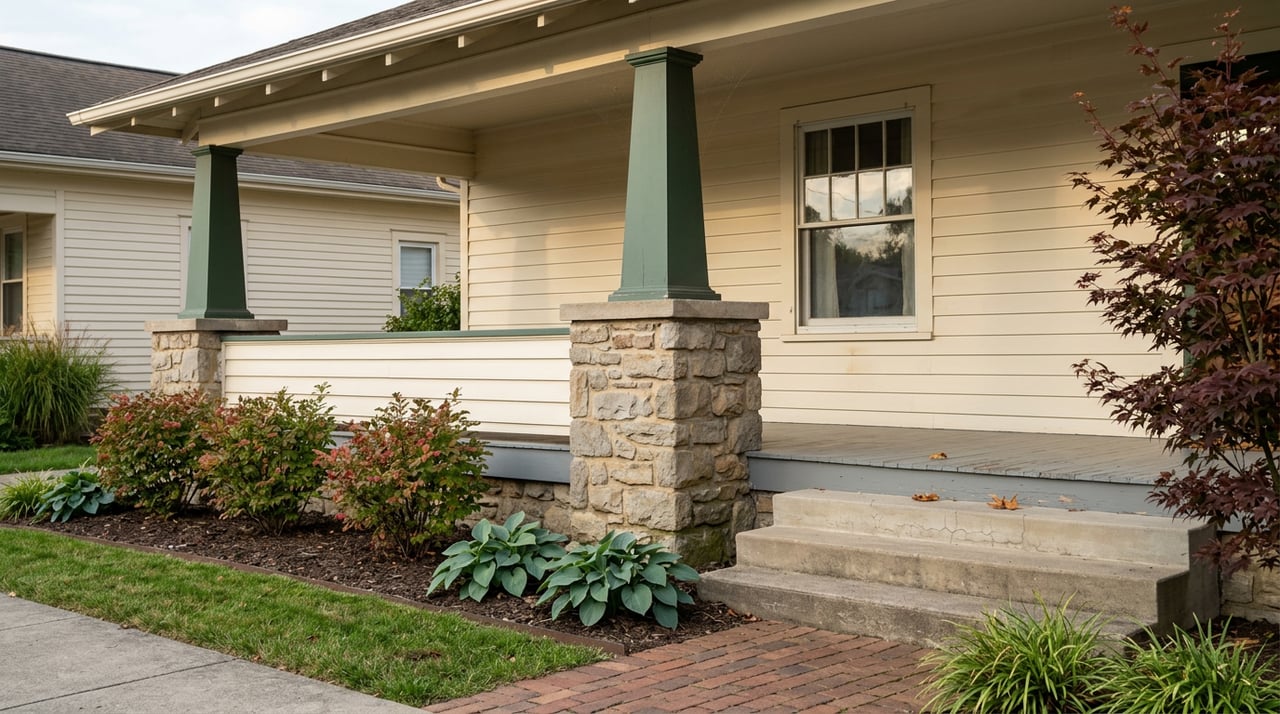
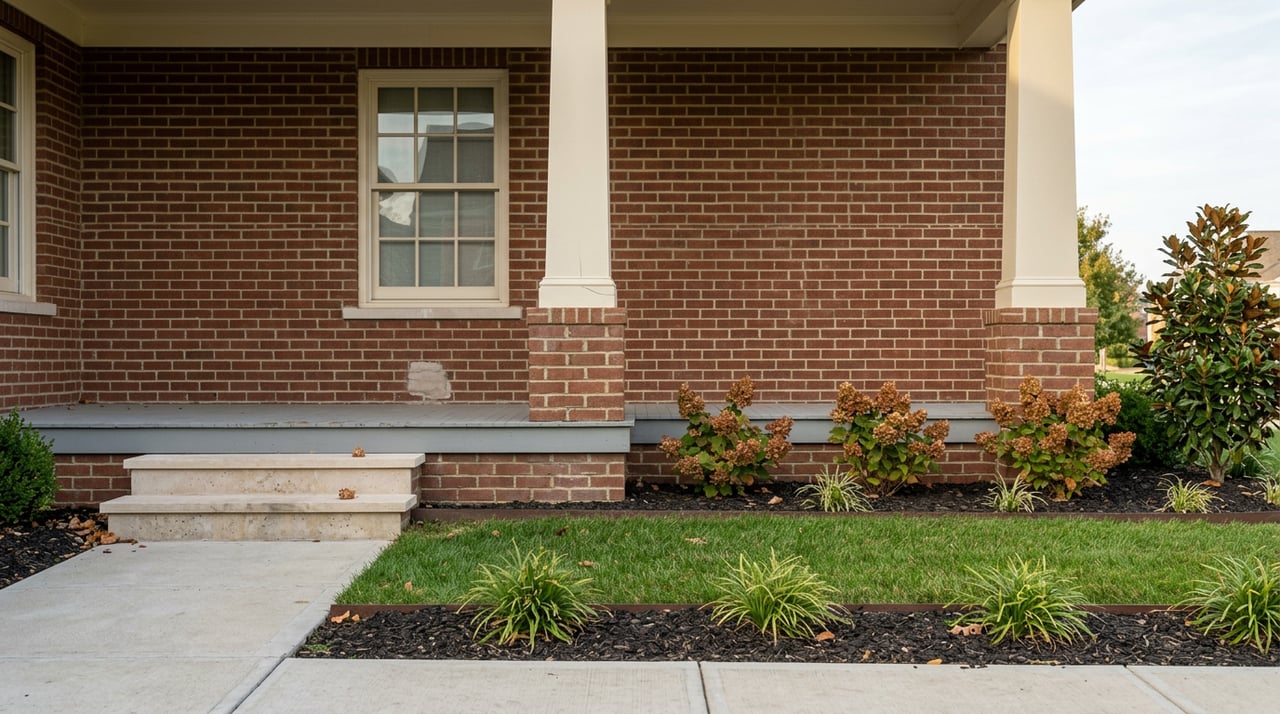
Before your home goes live, focus on the basics that help buyers see the property clearly. That usually means decluttering, cleaning, handling simple cosmetic touch-ups, and making the home photo-ready. These steps can improve first impressions both online and in person.
It also helps to think in terms of repair triage. Small cosmetic fixes may be worth doing, but larger issues should be handled carefully. In Kingsport and Sullivan County, many non-cosmetic projects require permits, so it is important to document work and confirm whether permits were needed.
Kingsport’s building guidance says permits are required for anything other than cosmetic repairs. Sullivan County also notes permit requirements for additions, roofs, decks, storage buildings, pools, and interior remodeling jobs. If you completed this type of work before listing, gather records now instead of waiting until a buyer asks.
This matters because buyers often look closely at major updates. If you replaced a roof, remodeled a kitchen, or added a deck, having documentation ready can make the transaction smoother. It can also help avoid questions late in the process.
A simple seller file can save you time and stress. Try to collect receipts, contractor invoices, warranty information, permit records if applicable, and dates for major updates. If your home is older, old repair records and renovation receipts can be especially useful.
If your home was built before 1978, lead-based paint disclosure rules may apply. Sellers of most pre-1978 homes must disclose any known lead-based paint or lead hazard information before the sale. Getting your records together early can help you stay organized.
For most Tennessee residential sales involving one to four dwelling units, sellers must provide a property disclosure statement in good faith. This disclosure is important, but it is not a warranty and it does not replace a buyer’s inspection. In short, you should answer honestly and completely based on what you know.
The disclosure form used in Tennessee was updated effective May 1, 2024. If you are preparing to list, it is smart to review disclosure requirements early rather than rush through them once your home is already on the market. Clear, accurate disclosures can reduce avoidable problems later.
Some transactions are exempt under Tennessee law, but most typical homeowner sales will involve disclosures. If you are unsure how your situation fits, getting clarity at the start can help you avoid mistakes.
A pre-list inspection is not required by Tennessee law, but it can still be helpful. One reason deals get stressful is that buyers uncover issues after going under contract, then ask for repairs, credits, or price changes. Knowing about major concerns ahead of time gives you more control.
A pre-list inspection may help you decide what to fix, what to disclose, and what to price into the sale. It can also reduce surprises once a buyer schedules their own inspection. That does not mean every issue must be repaired before listing, but it does help you plan.
Once you accept an offer, the sale enters a more detailed phase. This is when inspections, repair requests, appraisal steps, title work, and lender review can affect the timeline. Even strong deals can slow down here, so it helps to expect some back-and-forth.
In many transactions, the buyer schedules a home inspection quickly. If the inspection turns up concerns, the buyer may ask for repairs or request a credit instead. Some lenders can also require major repairs before closing, especially if the issue affects safety, livability, or the property’s condition.
Repair negotiations are common, and they do not always mean the deal is falling apart. Often, this stage is simply about deciding which issues matter most and how both sides want to handle them. You might agree to complete certain repairs, offer a credit, reduce the price, or decline requests depending on the contract terms and market conditions.
The key is staying calm and practical. Buyers are usually trying to understand their future costs, while sellers are trying to protect their bottom line. Clear communication and organized documentation can help keep the deal moving.
If the buyer is using financing, the lender will usually require an appraisal. If the home appraises at value, that part may move along quietly. If it does not, the buyer and seller may need to renegotiate price, terms, or concessions.
Lender conditions can also create delays even when everyone wants to close on time. Required repairs, updated documents, or loan changes can all affect the final schedule. This is one reason it helps to stay flexible in the final stretch.
Closing dates are important, but they are not always final until the last pieces are cleared. Common causes of delay include repair negotiations, title issues, lender conditions, and questions about prorations or credits. These issues are common enough that sellers should plan for the possibility of a shift.
Another timing factor is the buyer’s Closing Disclosure. Buyers must receive this form three business days before closing, and if certain important terms change, a new disclosure can restart that three-day review period. For you as a seller, that means a closing can move even after it looked settled.
The buyer will also usually complete a final walk-through before signing. This gives them a chance to confirm agreed repairs were completed and that included items are still in place. If something promised in the contract is missing or unfinished, that can create a last-minute issue.
Many sellers focus first on sale price, but your net proceeds matter more. The number you take away from the closing table depends on several moving parts, not just the accepted offer. Looking at the full picture early can help you plan your next move.
Your final proceeds may include factors like:
In Tennessee, the realty transfer tax is $0.37 per $100 of purchase price. Tennessee also charges a mortgage tax of $0.115 per $100 of indebtedness, with the first $2,000 of mortgage debt exempt. Who pays which closing costs can depend on the contract, so your final net can vary from one sale to the next.
Property taxes can affect prorations and buyer cost estimates at closing. In Kingsport, property values are assessed as of January 1, tax statements are mailed between mid-September and mid-October, and taxes are due by November 30. That timing can matter if your sale happens near tax billing or payment dates.
Sullivan County also performs a state-mandated countywide reappraisal every two years, with the next reappraisal scheduled for 2027. The city notes that Sullivan County completed a reassessment in 2025. Reassessments can affect tax prorations and what buyers expect their future payments to look like.
Selling a home has many moving parts, and in Kingsport those details can be very local. Pricing can shift from one area to another, permit history can matter, and timelines do not always follow a single pattern. Having a clear plan from the start can reduce stress and help you respond faster when questions come up.
That is where local, organized support can make a real difference. From pricing your home against the right comparables to helping you prepare records, navigate disclosures, and manage repair conversations, a smooth sale often comes down to steady communication and strong coordination.
If you are thinking about selling in Kingsport and want a clear plan from prep to closing, Alexis P Greene can help you move forward with practical guidance, responsive communication, and a strategy built around your goals.







Whether you’re buying your first home, selling a lakefront property, or planning your next investment, Alexis is committed to helping you move forward with confidence. She listens first, advises honestly, and advocates fiercely for your best interests.

5205 Bobby Hicks Hwy Ste 10 Johnson City, TN 37615